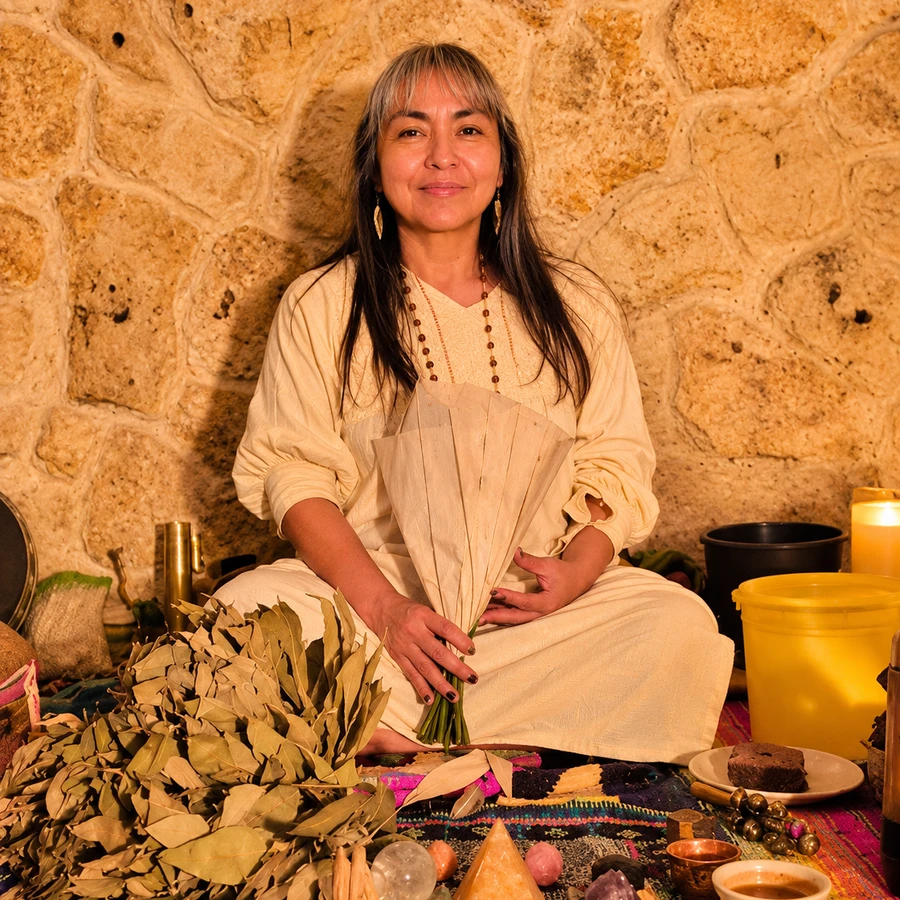
Tobacco has longstanding ceremonial, social and traditional-care roles among many Indigenous peoples of the Americas. Amazonian snuff practices belong to living communities, particularly in regions of present-day Brazil and neighboring countries. Rapé is not originally a Maya or Mexican practice simply because it is encountered at a retreat near Cancún.
An interview-based study involving Indigenous participants in Acre, Amazonas and Paraíba documents distinct understandings among communities including Huni Kuin, Kulina, Nawa, Baniwa, Tukano and Potiguara. These names represent different peoples, not a single tradition. Terminology, plants, prayers and purposes can vary within and between communities.
Calling the practice ancestral recognizes knowledge passed between generations. It does not establish an exact age for every modern blend or ceremony. There is no reliable single origin date for everything now sold or offered as rapé, and contemporary retreat use should not be confused with all Indigenous practice.